Korean Bibimbap
Highlighted under: Classic World Food Recipes
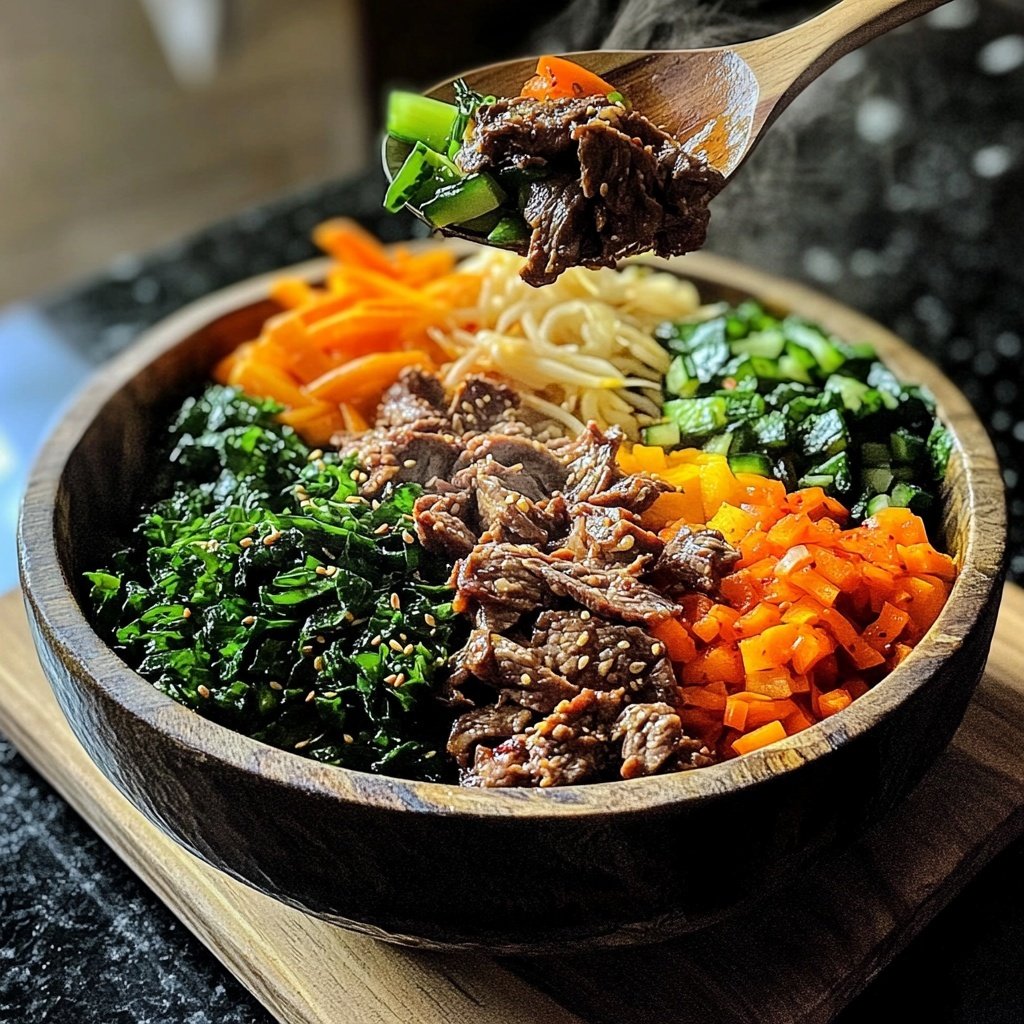
Korean Bibimbap is a vibrant and hearty dish that combines rice, vegetables, and protein, all topped with a fried egg and spicy gochujang sauce.
Korean Bibimbap is a traditional Korean dish that means 'mixed rice'. It's a colorful and nutritious meal that brings together a variety of flavors and textures. Originating from Korea, this dish has become popular worldwide for its deliciousness and health benefits.
Why You'll Love This Recipe
- A beautiful mix of fresh vegetables and proteins.
- Customizable to suit your taste preferences.
- A perfect balance of flavors with a spicy kick.
Ingredients
For the Bibimbap
- 2 cups cooked rice (white or brown)
- 1 cup spinach, blanched
- 1 cup carrots, julienned
- 1 cup zucchini, julienned
- 1 cup mushrooms, sliced
- 1 cup bean sprouts
- 4 eggs
- 4 tablespoons gochujang (Korean chili paste)
- Sesame oil, to taste
- Soy sauce, to taste
- Sesame seeds, for garnish
Optional Toppings
You can add sliced beef, chicken, or tofu for extra protein.

Instructions
In a large skillet, heat a little sesame oil over medium heat. Sauté each vegetable separately until tender, seasoning with soy sauce as desired.
In another skillet, fry the eggs sunny-side up until the whites are set but the yolks are still runny.
In bowls, divide the cooked rice and arrange the sautéed vegetables on top. Place a fried egg in the center of each bowl.
Top each bowl with a tablespoon of gochujang and drizzle with sesame oil and sesame seeds. Mix everything together before eating!
Enjoy your homemade Korean Bibimbap!
Storage and Reheating
Leftover bibimbap can be stored in the refrigerator for up to three days. To maintain the freshness of the vegetables, it's best to keep them separate from the rice and egg. When you're ready to enjoy your leftovers, simply reheat the rice and vegetables in a skillet on medium heat until warmed through.
If you've added the gochujang sauce, you may want to reintroduce it fresh for the best flavor. Just mix in a little more gochujang and sesame oil after reheating to revive the dish. This way, you can enjoy the delightful flavors of bibimbap even days after making it.
Variations to Try
While the traditional bibimbap recipe is delicious on its own, there are countless variations you can explore. For a protein-packed option, consider adding marinated beef, chicken, or tofu to your bowl. You can also experiment with different vegetables based on seasonal availability, such as bell peppers, broccoli, or radishes.
For those seeking a vegetarian or vegan option, simply replace the eggs with tofu or tempeh and skip the gochujang if you prefer a milder flavor. This versatility allows you to create a bibimbap that suits your dietary needs while still being delicious and satisfying.
Questions About Recipes
→ Can I make Bibimbap vegetarian?
Absolutely! Just skip the eggs or replace them with tofu or a plant-based protein.
→ What can I substitute for gochujang?
You can use red chili paste or a mix of miso and hot sauce if gochujang is not available.
→ Can I prepare the ingredients in advance?
Yes! You can prepare the vegetables and sauces in advance to save time when assembling.
→ Is Bibimbap healthy?
Yes, Bibimbap is packed with nutrients from the variety of vegetables and can be tailored to meet dietary needs.
Korean Bibimbap
Created by: Eliza Harrington
Recipe Type: Classic World Food Recipes
Skill Level: Intermediate
Final Quantity: 4 servings
What You'll Need
For the Bibimbap
- 2 cups cooked rice (white or brown)
- 1 cup spinach, blanched
- 1 cup carrots, julienned
- 1 cup zucchini, julienned
- 1 cup mushrooms, sliced
- 1 cup bean sprouts
- 4 eggs
- 4 tablespoons gochujang (Korean chili paste)
- Sesame oil, to taste
- Soy sauce, to taste
- Sesame seeds, for garnish
How-To Steps
In a large skillet, heat a little sesame oil over medium heat. Sauté each vegetable separately until tender, seasoning with soy sauce as desired.
In another skillet, fry the eggs sunny-side up until the whites are set but the yolks are still runny.
In bowls, divide the cooked rice and arrange the sautéed vegetables on top. Place a fried egg in the center of each bowl.
Top each bowl with a tablespoon of gochujang and drizzle with sesame oil and sesame seeds. Mix everything together before eating!
Nutritional Breakdown (Per Serving)
- Calories: 500 kcal
- Total Fat: 18g
- Saturated Fat: 4g
- Cholesterol: 186mg
- Sodium: 700mg
- Total Carbohydrates: 72g
- Dietary Fiber: 5g
- Sugars: 4g
- Protein: 14g